Savoring the Flavors: 18th-Century Scottish and Irish Cuisine
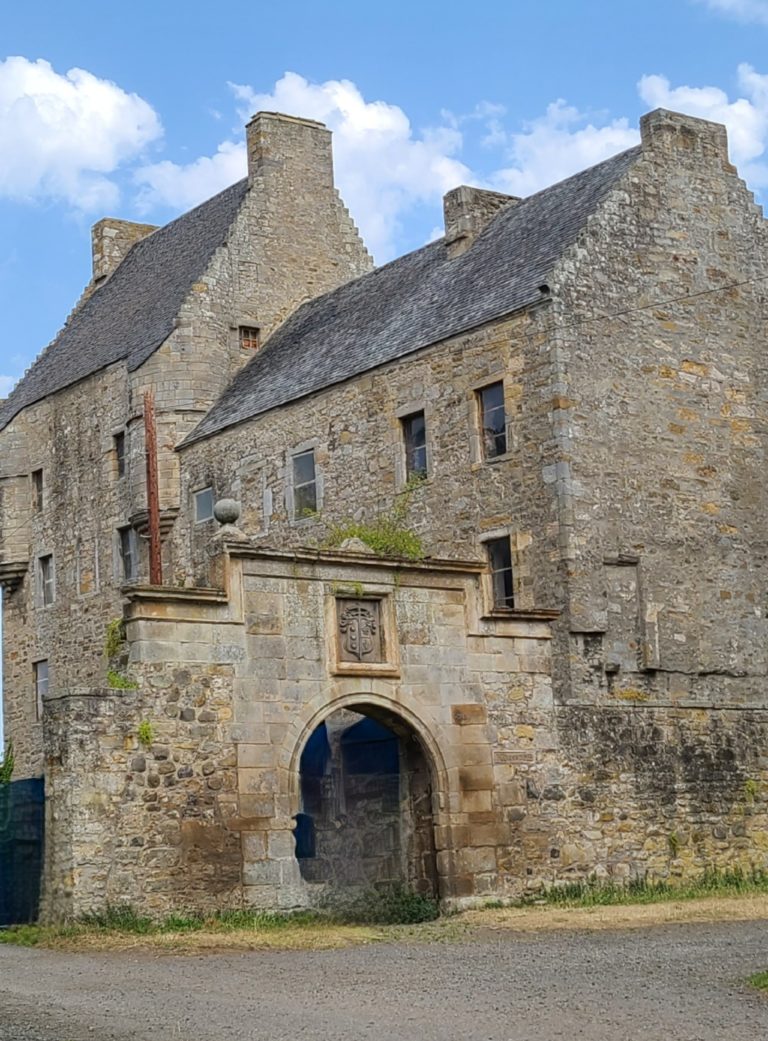
If you’re curious about what people actually ate in 18th-century Scotland and Ireland, the answer might surprise you. Geography, climate, necessity, and resourcefulness shaped the cuisine of the time, far from the stereotypical image of “peasant food.” Some of the dishes served in the 1700’s are still eaten today. While researching my books To Condemn a Witch and To Rescue a Witch, I was lucky enough to travel to Scotland twice and sample some of the cuisine. (I already knew Irish cuisine thanks to my grandma.)
How Geography & Climate Shaped the Table
Both Scotland and Ireland faced harsh weather and rugged terrain, which had a huge influence on what ingredients were available and how they were prepared. People ate what the land and sea could offer, including oats, barley, potatoes, cabbage, dairy products, root vegetables, or meats like fish and game.
Scottish Fare
Some classic Scottish dishes and ingredients include:
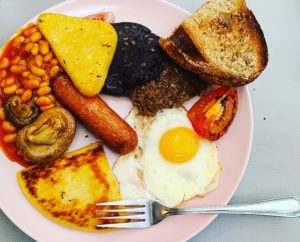
- Haggis – A savory pudding made from sheep’s offal, oatmeal, and spices, now considered the national dish of Scotland. When I went to Scotland the first time, I was pretty nervous to try this, but it was pretty tasty.
- Scotch broth & Cullen skink – Hearty soups made with barley, root vegetables, lamb, or smoked fish, like haddock. I specifically ordered Cullen skink because the name tickled me. As with the haggis above, the rest of my family waited for me to try it first. It tastes like a creamy clam chowder and was delicious. I’ve made it at home ever since.
- Barmbrack – Sweet bread made with fruit. On Samhain (All Hallow’s Eve) people would back fortune-telling items into it. If your slice held a coin—you’d be rich; a ring—you’d be the first to be wed; but if you got a thimble—you’d die a spinster!
Cuisine was a fun way to include tradition and historical accuracy into my book To Rescue a Witch. During the fire festival of Samhain, William MacLeod proposes to Fiona with a ring he strategically hide in a slice of barmbrack.
Irish Cooking: Potatoes, please!
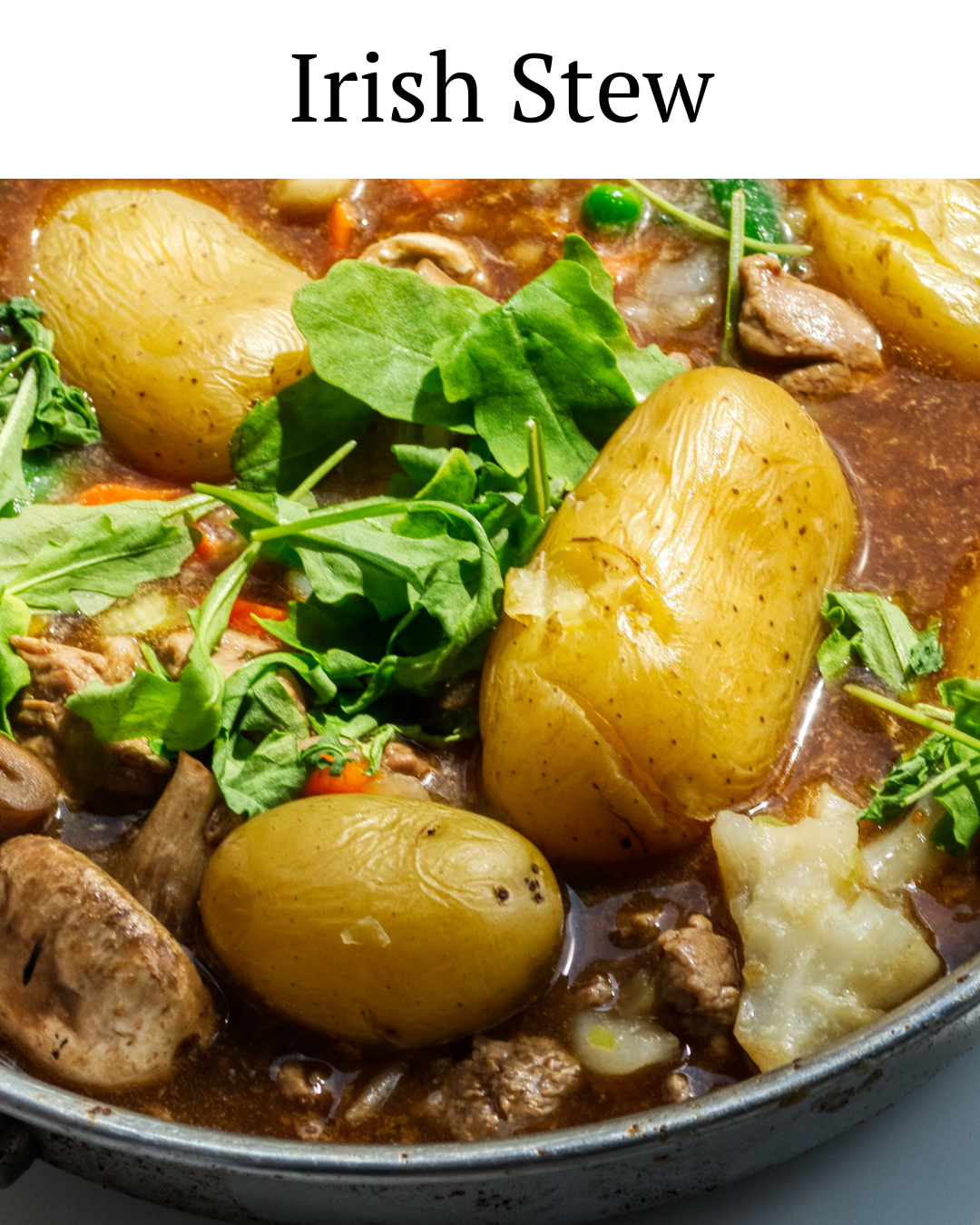
Irish cuisine in the 18th century was equally shaped by necessity — and there’s one crop that changed everything: the potato. Introduced from the Americas and quickly embraced for its hardiness and nutrition, potatoes became the backbone of Irish sustenance by the mid-1700s.
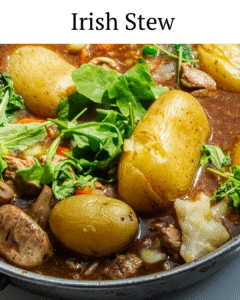
Some hallmark Irish dishes rooted in this era include: