Imbolc: The Celtic Festival of Brigid, Sacred Wells, and the First Signs of Spring
In early February, something curious happens…even in Texas. The days stretch just a little longer. Bluebonnets quietly form close to the ground. And whether you’re watching a groundhog on the news or packing up for a Celtic festival, you can feel that winter is loosening its grip.
That moment has a name: Imbolc.
Celebrated on February 1–2, Imbolc is a traditional Celtic festival marking the midpoint between the winter solstice and the spring equinox. For the ancient Celts, Imbolc was a festival of hope, purification and rebirth: the moment when light, fertility, and life began to stir once more beneath the frost.
And yes—fun fact—I’m a Groundhog Day baby, which means Imbolc has always felt a little personal.
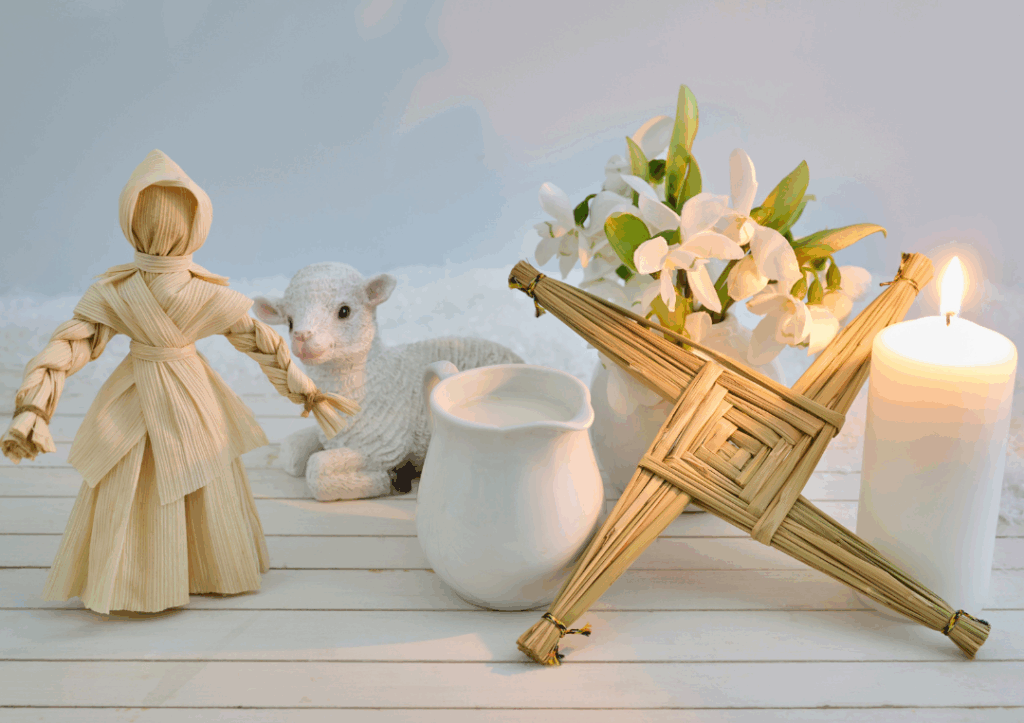
The Origins of Imbolc
The word Imbolc is generally believed to derive from Old Irish i mbolg, meaning “in the belly.” This refers both to the pregnancy of sheep (who begin lactating around this time) and symbolically to the earth itself, heavy with the promise of spring.
For early agrarian societies in Ireland, Scotland, and the Isle of Man, this was a critical time of the year. Food stores were low, winter illnesses were common, and the survival depended on reading the land correctly for planting.
Imbolc reassured communities. Trust that light would return. Trust that the lambs would be born. Trust that spring would come, even if it wasn’t visible yet.
That’s a feeling many of us still recognize—whether we’re farmers, festival-goers, or readers drawn to stories of endurance and rebirth.
The Goddess at the Heart of Imbolc: Brigid
Imbolc is inseparable from Brigid, one of the most famous and beloved figures in Celtic tradition. She was revered as a goddess of:
- Fire and the hearth
- Healing and fertility
- Poetry and transformation
This foreshadows the battle between Beira Queen of Winter and the coming spring and summer.
Fire was sacred to Brigid—not destructive fire, but transformative fire that turns darkness into possibility. The kind that melts iron, bakes bread, and keeps families alive through winter.
When Christianity spread through Ireland, Brigid didn’t disappear. She transformed into Saint Brigid of Kildare, and her sacred flame was tended continuously by women for centuries. Imbolc, in many ways, survived because Brigid did.
Traditional Imbolc Customs
Lighting Candles and Fires
Celt lit extra candles and hearth fires were rekindled to invite warmth and protection.
What it represented: Fire symbolized the returning sun, purification, and divine inspiration. Fire meant health, safety, and the ability to endure until spring.
Spring Cleaning and Purification
Homes were swept, tools cleaned, and rituals performed to cleanse lingering winter energy.
What it represented: This was both spiritual and practical. Disease spread easily in winter, and cleanliness helped protect families while symbolically preparing for new beginnings. Even today you often hear people say, “It’s time for spring cleaning.”
Making Brigid’s Crosses
Straw or rushes were woven into distinctive four-armed crosses and hung above doors or in barns.
What it represented: These crosses were believed to guard against fire, illness, and misfortune – real fears in premodern life.
Milk, Butter, and Bread Offerings
Because sheep began producing milk, dairy foods took on ritual significance. Portions were left outside for offerings to Brigid.
What it represented: These offerings acknowledged dependence on animals and honored the fragile balance between humans and nature. It also was the first tangible sign that starvation season was ending.
Weather Divination (Yes—This Is the Groundhog Part)
A bright Imbolc day meant winter was fighting to stay; a dull day meant spring was near.
Sound familiar?
That belief traveled across the Atlantic and eventually became Groundhog Day, which, in my case, is also my birthday . It also makes for a great Bill Murray movie.
Myths and Legends of Imbolc
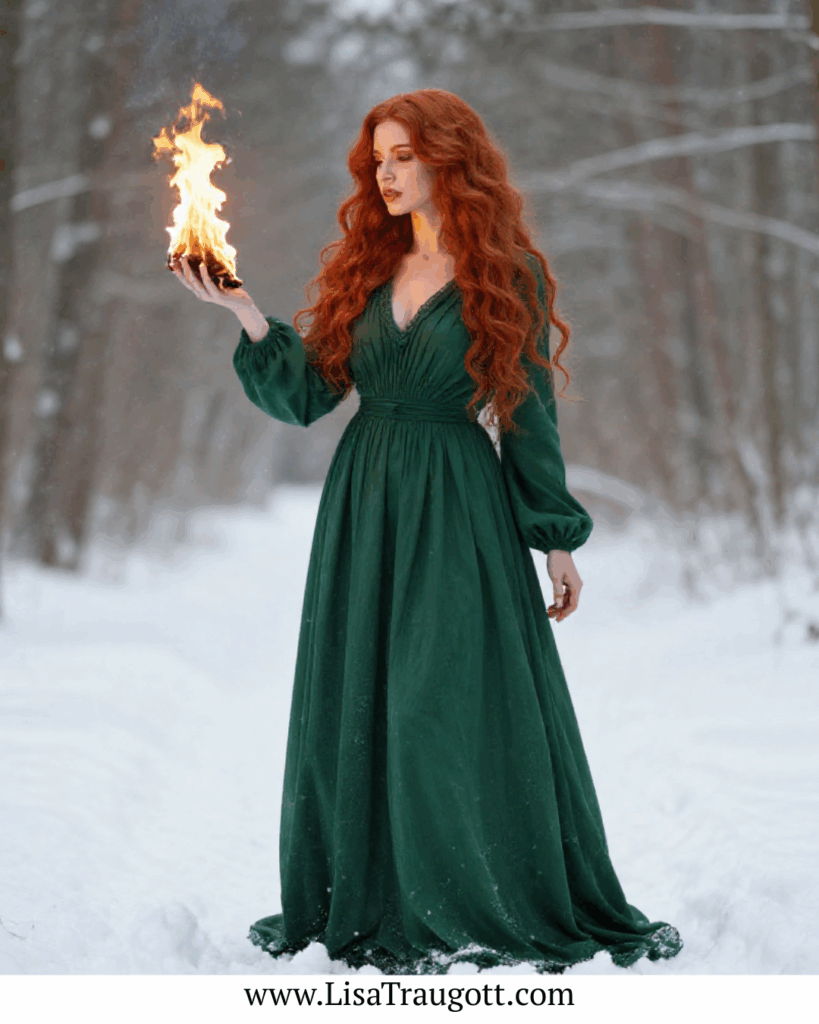
One enduring legend tells that on Imbolc Eve, Brigid would visit households. Families left cloth or ribbons outside overnight—Brat Bríde—which were believed to gain healing powers once she passed by.
Another myth portrays Brigid as a triple goddess, appearing as maiden, mother, and crone—mirroring the seasonal cycle of birth, growth, and death. At Imbolc, she appears most often as the maiden, symbolizing youth, renewal, and creative fire.
Sacred Water and Whispered Wishes: The Clootie Wells of Scotland
Among the most haunting Celtic traditions are clootie wells—sacred springs found throughout Scotland and other Celtic lands. For centuries, people traveled to these wells seeking healing, protection, or divine favor. A strip of cloth (clootie in Scots) was dipped into the well’s water and then tied to a nearby tree or bush.
As the cloth slowly decayed, it was believed the illness, grief, or trouble it carried would fade with it.
Water, in Celtic belief, was never merely water. Wells were liminal places—thresholds between worlds—where the boundary between the living and the Otherworld thinned. That made them especially powerful on fire festival nights like Imbolc, when transformation was already underway.
With the spread of Christianity, many clootie wells were rebranded as holy wells dedicated to saints, most often Brigid, but the older customs endured. Even when clergy disapproved of ribbons, offerings, or candlelight, people continued quietly, tying their prayers in secret and trusting the old ways to listen.
You can still visit historic clootie wells today, including the famous Munlochy Clootie Well in the Scottish Highlands, where strips of cloth flutter along the trees.
A Scene from To Condemn a Witch
Set on the night of Imbolc, the following excerpt from my fantasy fiction To Condemn a Witch weaves together several of these traditions—sacred clootie wells, candles burned in defiance, offerings of milk, and the quiet persistence of the old magic, even under watchful eyes. Enjoy!
Scotland, 1729—Imbolc fire festival
Fiona watched the sun set over the exact spot where Auntie Matilda burned over twenty years ago. How odd to no longer be a little girl, a crofter’s daughter in the crowd, but to find herself now seated indoors as the lady of the manor, married to Admiral Goring’s grandson. Not even Matilda could have predicted such a twist in fate.
In the distance, the Firth of Clyde became a dark, glassy surface reflecting the decrepit castle as the moon rose above the forest.
It’s time.
The tight knot in her chest unraveled. Grabbing a bucket, she headed to the clootie well. Alone, Fiona raised the water, smiling at Matilda’s reflection in the pail. “I’ve missed you,” Fiona said in her mind.
The wonderful thing about having an aunt who was both a ghost, and a witch, was that it allowed for much more private conversations—at least during the eight annual fire festivals when the veils between the worlds of the living and dead stretched thin.
William allowed ye to come to the clootie well? Matilda said in her mind.
“He’s not home.” Fiona tightened her plaid shawl against the wind.
Thank the goddess, Matilda said. I’ll never understand what ye see in him. Your marriage is the curse of my afterlife. How can I protect ye? How can ye protect yourself without magic? Damn Admiral Goring’s grandson.
“William had nothing to do with your burning. He was seven and living on the Isle of Skye on your death day. He loves me, and works himself to the bone for us. Do you think the roof mends itself? You ken William is from the good side of that family. And he sacrificed so much to protect me—our best land, his chance to move closer to being King’s Attorney—all to keep me from arrest. How many men do you think would do that, and still remain a loving husband? We agreed I shouldna practice magic anymore. It’s just too risky.” She lowered her eyes. “I dinna realize then the cost of my promise. Anyway, my marriage shouldna have surprised you too much. We both predicted I’d marry a rich man from Skye.”
Aye, but I dinnae think he’d earn his wealth by being Admiral Goring’s grandson and inheriting everything. Dinnae fash yourself, I’ve no intention of coming between ye and your husband. She muttered under her breath. Even if he wants to take away your magic. Tsk-tsk-tsk. Supposes he can outwit a goddess.
Pooka, Fiona’s black cat, curled around her legs and let out a good stretch.
Fiona took a deep, calming breath. “I’ll not spend Imbolc cursing the man who holds my heart. Come inside to see the boys. They’ve grown since the last fire festival.”
Aye, that’s what lads do. Now, tie a ribbon around the clootie well, make a wish to Beira, and let’s be off.
Fiona smirked. “I missed you, even if you are a curmudgeon. I miss our talks.” Closing her eyes, Fiona held the ribbon, focusing on her intention to the goddess of their coven, Beira, Queen of Winter. I wish things could return to the way the used to be with William. Ever since what happened in London…Beira, please show me how to save my family. She tied her ribbon on the clootie well.
“Fiona,” called Reverend MacDonald, ambling up the path.
“Did he see me tie the ribbon?” she asked Matilda. Imagining the worst-case scenario of getting caught again, her limbs began to shake. A sour taste filled her mouth as she remembered her punishment, done privately under the reverend’s judgmental glare, to avoid a witch trial.
Well, dinnae draw attention to yourself staring into the water. Gods forbid he gets curious to see what you’re looking at, although seeing my sour puss in the pail might literally scare the man to death, and wouldnae that tickle my witch’s heart? Matilda joked in an obvious attempt to calm her.
Fiona plastered a smile on her face as she greeted the preacher.
“I was coming to meet with William. Is he home?”
“Not yet, Reverend.”
Matilda jumped her soul from the well water to inside Pooka, who let out a disgruntled meow. Ah, pipe down, cat. I dinnae want to be inside you either, but it’s the only way I can feel the tangible earth.
Reverend MacDonald eyed the cat, then spotted ribbons adorning the well and nearby tree. “Tsk-tsk-tsk. I’ll have to speak to William about your influx of Irish tenants celebrating Saint Brigid’s Day. One would expect the remnants of Popery’s decline by now.”
Fiona sighed, relieved he hadn’t seen her tie a ribbon, too.
‘Twas Imbolc before the pope tried to change it into a Christian day, muttered Matilda in a form of a meow.
“Is it colder than usual?” Reverend MacDonald said, shivering. “I get such a strangling sense of dread at this well.”
I tortured Admiral Goring seven years before he succumbed to death. It only takes one time when the veils are thin when I find the reverend with neither cross nor iron in his pocket, and I can have my revenge.
“Matilda, stop. It’s been over twenty years. Are you going to hold your grudge for all eternity? How will you ever get to the light?”
Forgiveness is for the weak-willed.
Reverend MacDonald rubbed his neck. “Where did you say William was?”
“London, serving Lord Hallewell. Did you need something?”
“I caught wind there might be a bonfire and dancing. I dinnae ken if they use this night to pay homage to the old ways or as an excuse to behave lasciviously. Either way, I’m against it. As laird, your husband has a responsibility to ensure his tenants follow godly ways. Why he takes their side against the Kirk’s often as he does is beyond me. His grandsire, the admiral, wouldna have allowed it.”
“Mm.”
Let me scratch the preacher’s eyes out, Matilda hissed. I can complain about William, but he canna.
Fiona picked her up, stroking her fur while speaking in her mind. “Are you trying to get me burned at the stake as well? Control your temper, lest he grow suspicious. Walk away and drink the milk I’ve placed at the door for you, or waste your limited time among the living drinking in bitterness instead.”
Fine. I’m a patient witch. Matilda left Fiona’s arms, giving a parting hiss at the reverend, and pranced to the manor with her tail held high.
“I suppose I’ll be walking the village alone tonight to ensure no candles are burning past curfew.” He looked down his nose. “That includes at your manor, madam.”
Heat rushed to Fiona’s cheeks. “We are a godly household, sir, whether William is home or not. Haena I proved that?”
Holding each other’s stare, Fiona broke the gaze first. A strategic retreat.
***
From Ancient Hearths to Texas Celtic Festivals
Modern pagans, witches, and folklore enthusiasts still celebrate Imbolc with candle rituals, intention-setting, and creative practices like writing or crafting. Even for those who don’t observe it spiritually, Imbolc offers a powerful reminder:
Growth begins long before it’s visible.
It is the season of quiet courage, of trusting that change is coming, even when the ground is still frozen.
Imbolc reminds us that Celtic culture isn’t frozen in the past. It travels. It adapts. It shows up in unexpected places—sometimes even under a Texas sun.
Curious how these ancient Celtic traditions come alive today? I’ll be diving deeper into fire festivals, folklore, and living tradition at the North Texas Irish Festival in Dallas and the San Antonio Celtic Festival this spring — come find me at my author table for lore, books, and conversation!
Until next time, Wise Ones.
Lisa
Further Reading
Learn more about the history and symbolism behind Celtic traditions here:
- Encyclopaedia Britannica – Imbolc
https://www.britannica.com/search?query=imbolc - Dúchas.ie – Ireland’s National Folklore Collection
https://www.duchas.ie - Atlas Obscura – Clootie Wells: Where the Trees Are Weighed Down in Rotting Rags https://www.atlasobscura.com/articles/clootie-wells-where-the-trees-are-weighed-down-in-rotting-rags
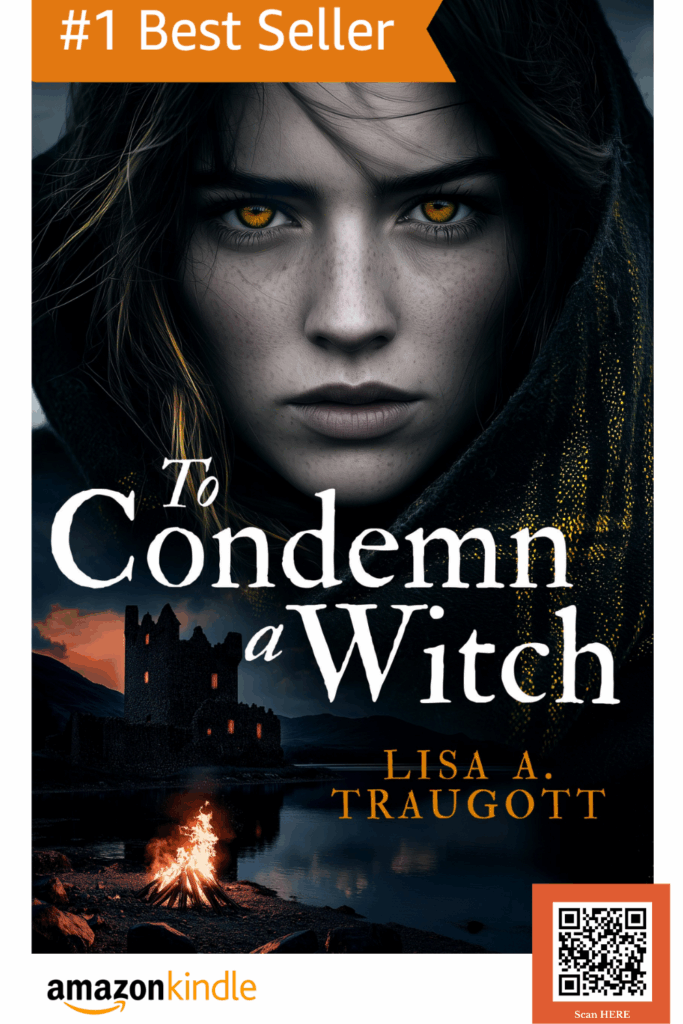
You can find To Condemn a Witch on Amazon.
Copyright (c) Lisa A. Traugott 2026. All rights reserved.