The Missing Bones of Lilias Adie
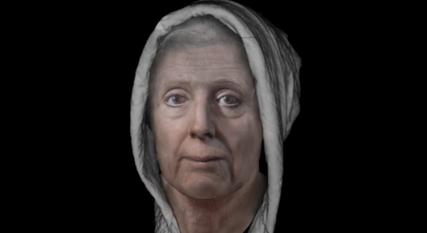
They feared the witch would rise from the mud, so they locked her body in a wooden chest, buried her during low tide then lowered a half-ton sandstone slab on top of her watery grave.
Lilias Adie became one of the most infamous “witches” in Scotland, not for her crimes, but for her burial.
Who was Lilias Adie?
Born in 1640, Lilias Adie lived in the coastal village of Torryburn, Fife, Scotland. Jean Bizet warned neighbors to “beware lest Lilias Adie come upon you and your child.” Other people blamed her for causing illness. Adie stood trial for witchcraft in 1704. Her story is told through the minutes of the Kirk session. She was imprisoned for 29 days and tortured through sleep deprivation.
Confession
She confessed to having carnal relations with the devil who came to her in a cornfield. He wore a straw hat and had cloven feet like a cow. She renounced her baptism and said she met with him often. She said there were other witches but she never identified them. For her “crimes” she was sentenced to burn, but died in custody before the sentence could be carried out.
This caused a major problem.
Executions
Approximately 3,800 people were accused of witchcraft in Scotland and there were 1,400 known executions (there might have been more). While men and women were found guilty of being witches, the majority, estimated at 84%, were women.
Witchcraft was a felony and the sentence was death. A common misconception is that witches were burned alive at the stake, but they were typically strangled first, often by hanging, and then burned. Their ashes were buried unceremoniously next to the fire pit.
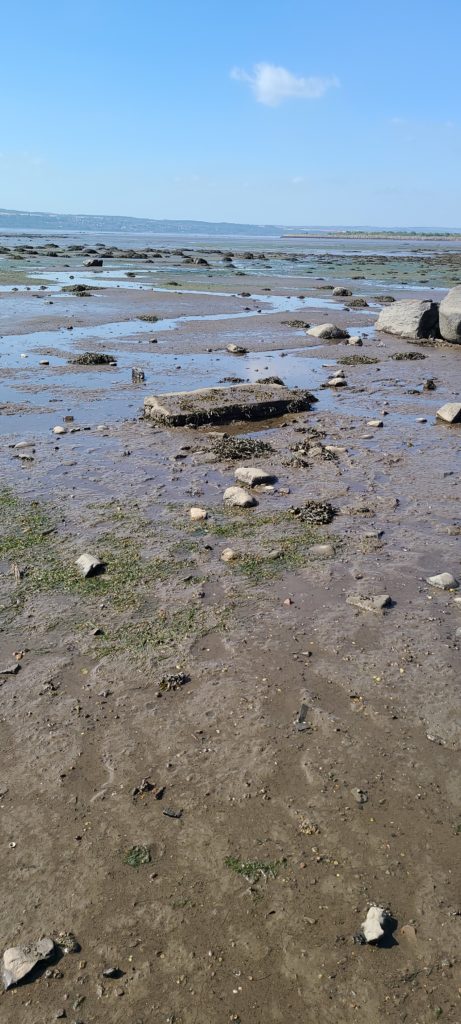
Since Adie was found dead in prison, no one could be sure Satan didn’t play trick on the village. They feared he would call her back to life to wreak havoc on their pious community, so they buried her during low tide and placed a heavy stone on top. Lilias Adie is the only known accused witch buried in Scotland, which made her infamous post-mortem.
Here is a picture I took of her grave when I visited Scotland this summer to research my historical fiction, Trouble the Water.


2 Comments