The Secret Weapon Behind Great Books: An Interview with Editor Kahina Necaise
This month’s giveaway is for all the writers in the Wise Ones community.
Whether you’re outlining your first novel, revising a messy middle, or finally preparing to query or self-publish, one thing becomes clear very quickly: no writer succeeds alone.
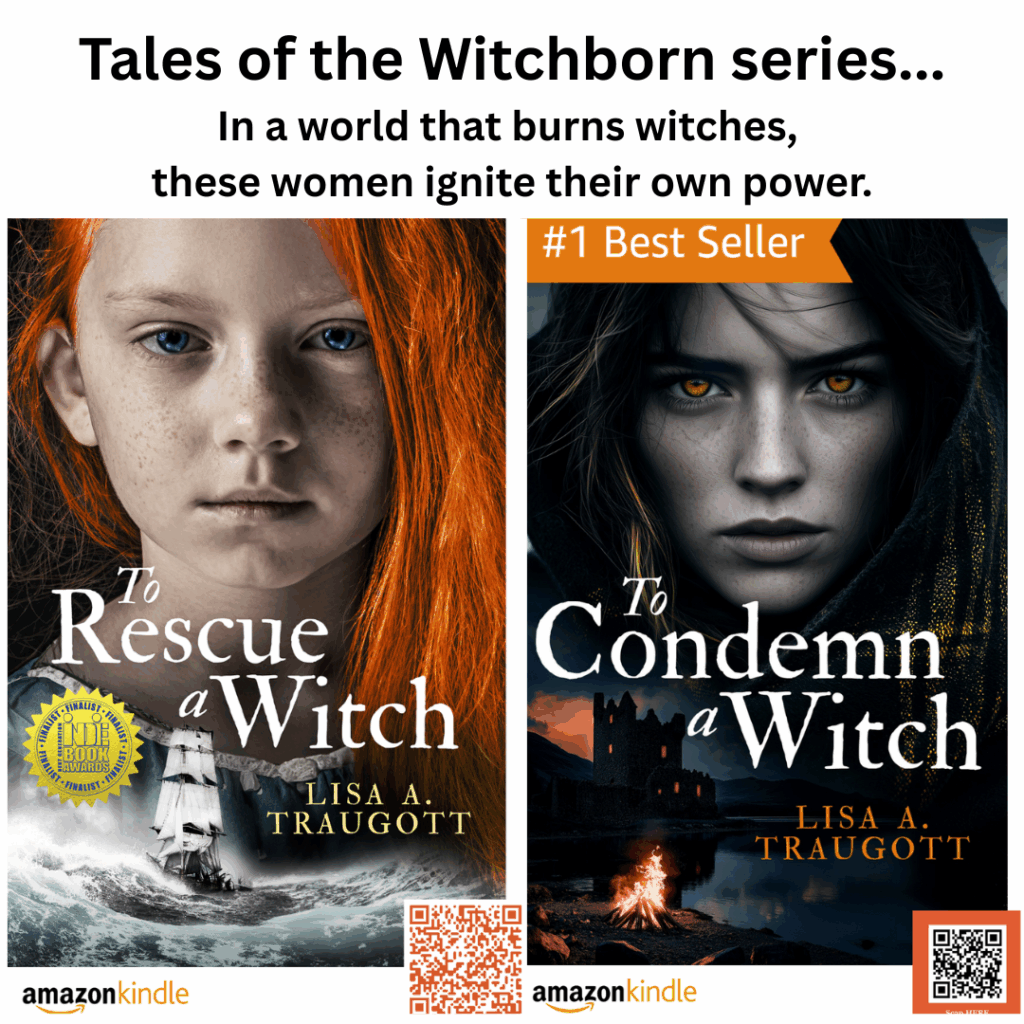
That’s why I’m thrilled to feature Kahina Necaise, the editor who worked on both of my historical fiction novels, To Rescue a Witch and To Condemn a Witch. Beyond editing, Kahina helps writers strengthen their stories, sharpen their prose, and gain clarity about where their manuscripts (and careers) should go next.
In this interview, we talk about what editors actually do, the most common mistakes newer writers make, and the mindset shifts that help aspiring writers grow into published authors.
And this month’s giveaway is especially exciting:
One lucky winner will receive either:
- a 10-page manuscript critique, or
- a 1-hour coaching session (normally valued at $150)
If you’re serious about your writing journey, you won’t want to miss this one.
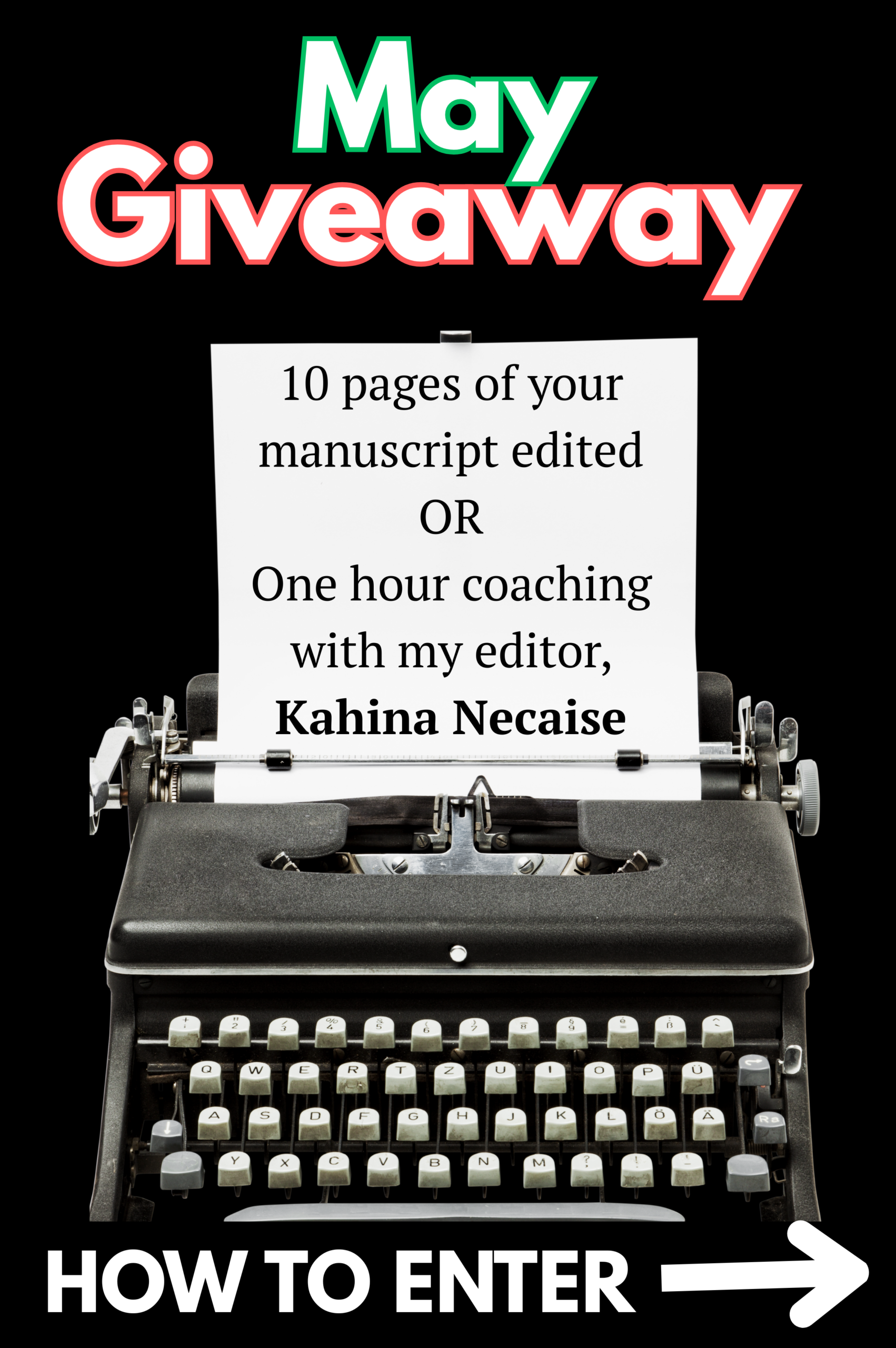
May Giveaway
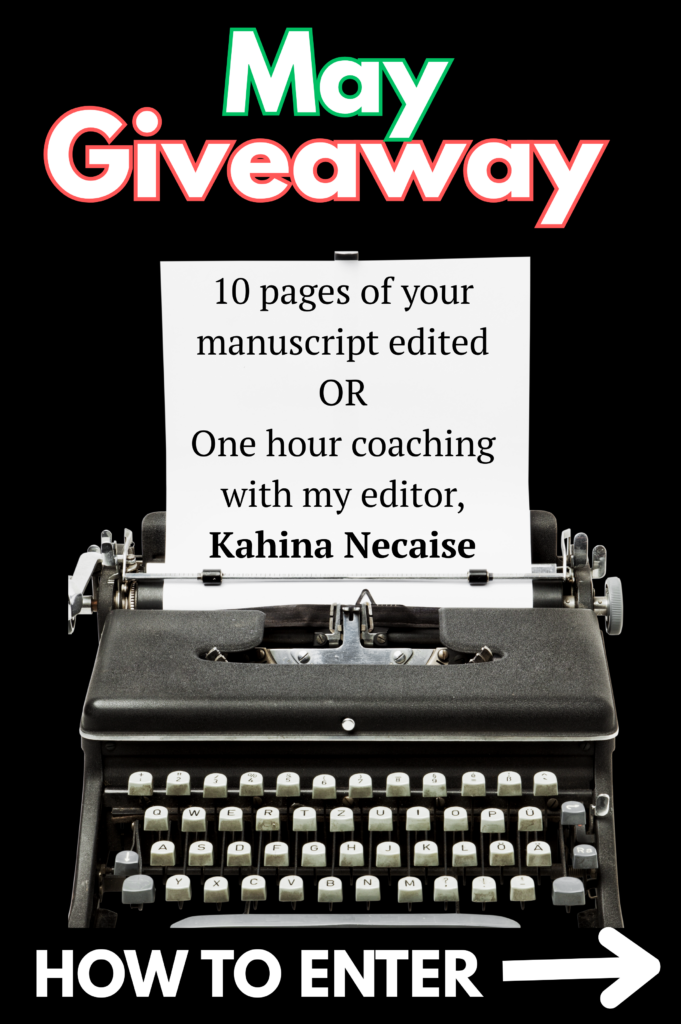
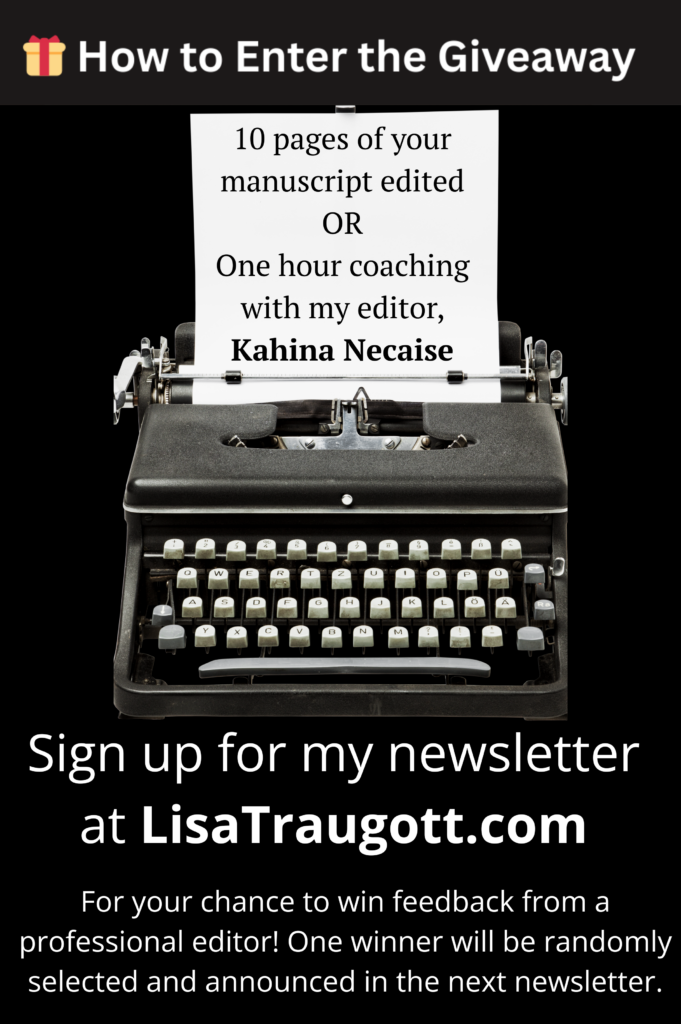
- To enter the contest – sign up for my newsletter at LisaTraugott.com
- When the newsletter arrives in your open, open it and reply giveaway for your chance to win
- One person will be randomly selected and the winner will be announced in next month’s newsletter
Writing Advice for Authors from Kahina Necaise – Historical Fiction Editor
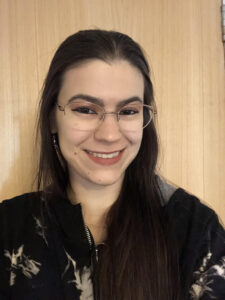
You’ve edited both of my historical fiction novels—what initially drew you to working with authors in this genre?
I’m a big believer that editors are best suited to working on what they like to read. Historical fiction and fantasy, the two genres I work with, have been my go-tos since I learned to read. I’ve always preferred stories at least several steps removed from
modern, everyday life.
Many writers feel intimidated by the editing process. What actually happens when a manuscript lands on your desk?
I read every manuscript twice. The first time is hands-off and open-minded. This is necessary because notes made with incomplete knowledge of the story rarely end up being useful. However, I do pay attention to my average-reader-level reactions—whether big story moments are landing emotionally, whether my brain is wandering, how I feel when it’s time to stop.
The second read is for notes and micro-level feedback, which I can now give helpfully because I know where the story is going. I also make notes for the main body of the report as I go. At this point, I’m working with two stories at once: the vision the author seems to have intended to write and the draft they’ve actually written.
By the end of that read, I’ve inhabited the story deeply, discerned which problems are most important, and imagined alternative versions. So when it’s time to deliver the macro-level feedback, the points and solutions are usually bursting out of me. I calibrate the advice to the writer’s perceived skill level and aim to teach the why behind it so they can apply the lessons themselves next time.
When you read the first few pages of a book, what immediately tells you, “This has potential”?
Some combination of these:
- The first happens before page one: the story’s premise alone already feels fresh and compelling. There’s a feeling of “I’ve never considered such a thing, but now that I hear it, I’m already imagining fascinating directions it could go.”
- I’m not lost! I understand what’s going on and why it matters. A strong handle on exposition often signals a high level of overall craft development.
- I’m already getting a little attached to the POV character. The author shows how the character is sympathetic, unusual in an interesting way, or (conventionally or unconventionally) principled.
- The first few pages deliver on the promise of the premise—those elements that would show up in the blurb and make a reader pick up the book. The opening gives readers a taste of what they came for as early as possible.
With that said, beginnings are hard, so I’d struggle to judge potential from those early pages alone. There are also manuscripts that start brilliantly but fizzle out once the plot takes shape, especially if the writer is gifted with a strong voice but hasn’t honed the craft.
On the flip side, what are the most common issues you see in early drafts from newer writers?
- Clarity. I have to stop and reread several times to understand what’s going on, usually due to insufficient information. Info-withholding is more common than the dreaded info-dumping.
- Lack of character interiority. The point-of-view character isn’t shown reacting inwardly to the plot’s events, so we never get to know or care about them, and they feel oddly passive.
- Lack of point-of-view control. Head-hopping and failure to maintain a consistent point of view within a scene are telltale beginner signals.
For writers who can’t yet hire an editor, what are 2–3 things they can do to improve their manuscript before seeking professional help?
- Read craft books and articles. The more issues you can fix yourself, the more the editor can focus on the thorny ones. You’ll also understand your editor’s feedback much better if you have a shared craft vocabulary.
- After you finish a draft, put your manuscript aside for a while, long enough that you’ve mostly forgotten your exact wordings and what you thought turned out well or poorly. Read craft books or books in your story’s niche while you wait. Then reread and take self-editing notes. You’ll be surprised by what jumps out at you.
- Don’t give the manuscript to beta readers—that is, the “average readers” you want to test your book on before publication. Showing them a rough draft ruins them for a more final one. Their advice is also likely to be misleading or small-scale, causing you to polish and get attached to material that might need rewriting later. Early drafts have problems that most beta readers are neither equipped nor compensated to help with.
Editing can be very personal—how do you balance giving honest feedback while still encouraging the writer?
I’ve learned something fascinating about editing: Providing direction is more important than giving praise. Even among editors, there’s an assumption that praise makes writers feel good, while criticism makes them feel bad. That’s not quite true.
Receiving criticism PLUS recommendations from someone who really knows their story and seeing the changes sparked by those suggestions work on the page—that’s what most encourages them and builds authentic confidence. Highlighting strengths is still important; I give praise, even gushing, where it’s due. But ultimately, most authors I’ve worked with are looking for hope and a way forward, not flattery.
So I make it a point to (1) get to know the story very well—not just because it makes me better at my job, but because writers can tell that I’ve done that, and they feel seen and understood—and (2) propose possible solutions to every problem I raise where the fix isn’t self-evident.
Writers always have the choice to ignore mysuggestions. The manuscript itself remains untouched.
You offer both content editing and coaching. How does a coaching session differ from editing, and who benefits most from each?
Content editing: Choose it if you’ve got a full draft and want feedback on the whole thing. You’ll get a written report full of comments on strengths, areas for improvement, and solutions. A follow-up call is included (plus extra calls at additional cost), but overall, this service is less interactive than coaching. Your input is the manuscript, speaking for itself, and mine is my unbiased written feedback.
Coaching: Choose it if you want to talk something out about your writing—craft or process problems. Coaching may involve me reading some of your material or notes, but it isn’t for feedback on a complete manuscript. I also offer a special kind of coaching for writers with stalled drafts or outlines, where I read everything they have so far and we do a deep-dive conversation to get the story unstuck.
What’s one piece of advice you find yourself giving writers over and over again?
Turning points! When a plot problem is resolved or a character changes, incorporate a moment that illustrates what happened to lock in that shift.
For instance, imagine a big battle scene where the protagonist duels the antagonist, fights hard, and wins, saving the day. Okay, but why did they win? What’s the takeaway? Readers don’t know. It’s just a thing that happened.
So add a turning point: A hard-won lesson the protagonist learned earlier that seemed useless at the time turns out to be the key to victory. Now that plot point feels earned and actually means something: you never know how your past will come in useful, everything happens for a reason, etc.
The turning point needs to fit the story to really resonate, but even a barely relevant turning point is better than none. Turning points are a key component of reader satisfaction, and they’re often neglected.
You’re offering either 10 pages of edits or a 1-hour coaching session as part of this giveaway. What kind of transformation could a writer expect from that?
The ten-page edit would be great for writers who have already done at least some self-editing and feel confident they’ve started in the right place. Openings are one of the hardest parts of a story to pull off. A clear, compelling one will greatly increase your chances of hooking readers and getting useful feedback from critique partners, beta readers, and editors.
The coaching session would be better for everyone else. In an hour, we can produce an outline for your plot throughline or a character arc. We can generate a whole suite of options for where to go next. We can diagnose a block or nagging doubt and start clearing it. There are so many possibilities! You’ll leave with a lot to think about and try out, a new perspective on your work, and probably a shot of renewed energy.
Many of my Wise Ones readers are working on their first or second book. What mindset shift do they need to make to move from “aspiring writer” to
“published author”?
Many aspiring writers fall into a sunk-cost mindset where revision means cutting, adding, and moving things around on the sentence, paragraph, or scene levels. They’re not open to making macro-level changes like giving a character an arc or reworking the plot to focus it around a central problem.
My advice: Be willing to do some serious rewriting. This is the one common trait I see that sets apart the writers who go on to achieve their goals.
If you could sit down with a writer at the very beginning of their journey, what would you tell them to focus on first?
Shape your story to fit your experience level. An epic series with six point-of-view characters and a cast of hundreds is probably too ambitious. Beginners tend to think too big and then never finish. Bigger doesn’t make a story better, anyway. Also, center your darlings so you don’t have to kill them later. Build the plot and characters around what you care about, not what you think readers want. Yes, even if you believe what you care about is weird! Drift too far from that spark, and it will show in the writing. Kindle it, and you’ll end up with a better story and more fun along the way.
How can people contact you?
You can sign up for my newsletter here to get writing tips, updates on exciting new ancient-world fiction releases, and more. One lucky subscriber gets 10% off the service of their choice every month. You can also learn about my services at kahinaedits.com and email me at kahina@kahinaedits.com.
A huge thank-you to Kahina Necaise for sharing her insight, encouragement, and expertise with the Wise Ones community.
One of the biggest myths about writing is that successful authors do everything alone. In reality, great books are often shaped through collaboration, revision, mentorship, and honest feedback. Working with talented editors has made an enormous difference in my own journey as a writer, and I hope this interview gives aspiring authors both practical tools and encouragement to keep going.
And yes—you can enter to win this month’s giveaway.
No matter where you are in your writing journey, remember this:
Every published author once stared at a rough draft and wondered if they were good enough to keep going.
Keep going.
Lisa 🙂
P.S. – Here are my books (available on Amazon).